





New creative director. New season. New vision. Or so we're told.
Fashion's biggest houses have been busy announcing their next chapters, appointing fresh creative leadership and promising the sort of reinvention that sends the industry into a collective frenzy. The anticipation is enormous, the marketing budgets even bigger, and everyone seems terribly excited about what comes next.
Then the collections arrive, and something feels suspiciously familiar.
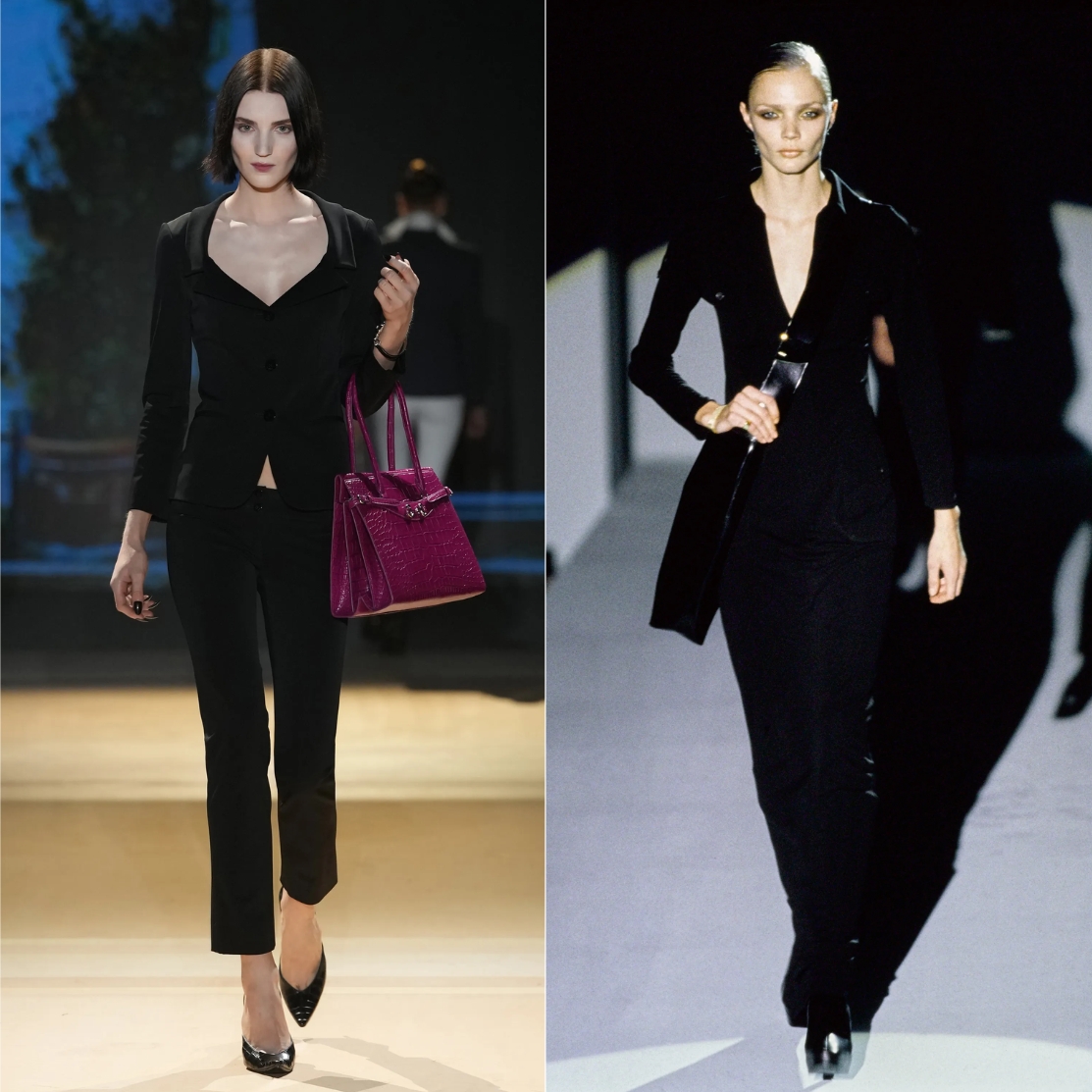
A sharply tailored suit. A sculptural silhouette. A particular shade of glamour we could swear we've seen before.
Only this time, it's been dusted off, styled for a new generation and presented as the beginning of something revolutionary. Déjà vu, darling?
Of course, fashion has never existed without references. Trends return, silhouettes evolve and designers borrow from the decades that came before them. The very nature of fashion is cyclical, and the archives of a historic house are among its most valuable possessions.
But there's a difference between knowing your history and relying on it to do the creative heavy lifting.
And lately, fashion seems increasingly comfortable confusing the two.
Under Demna, Gucci has spent much of its recent creative evolution reacquainting itself with the codes that made it desirable in the first place. The overt sensuality of the Tom Ford years, the sharply cut tailoring, the provocative glamour and that unmistakable sense of expensive excess have all found their way back into the conversation.
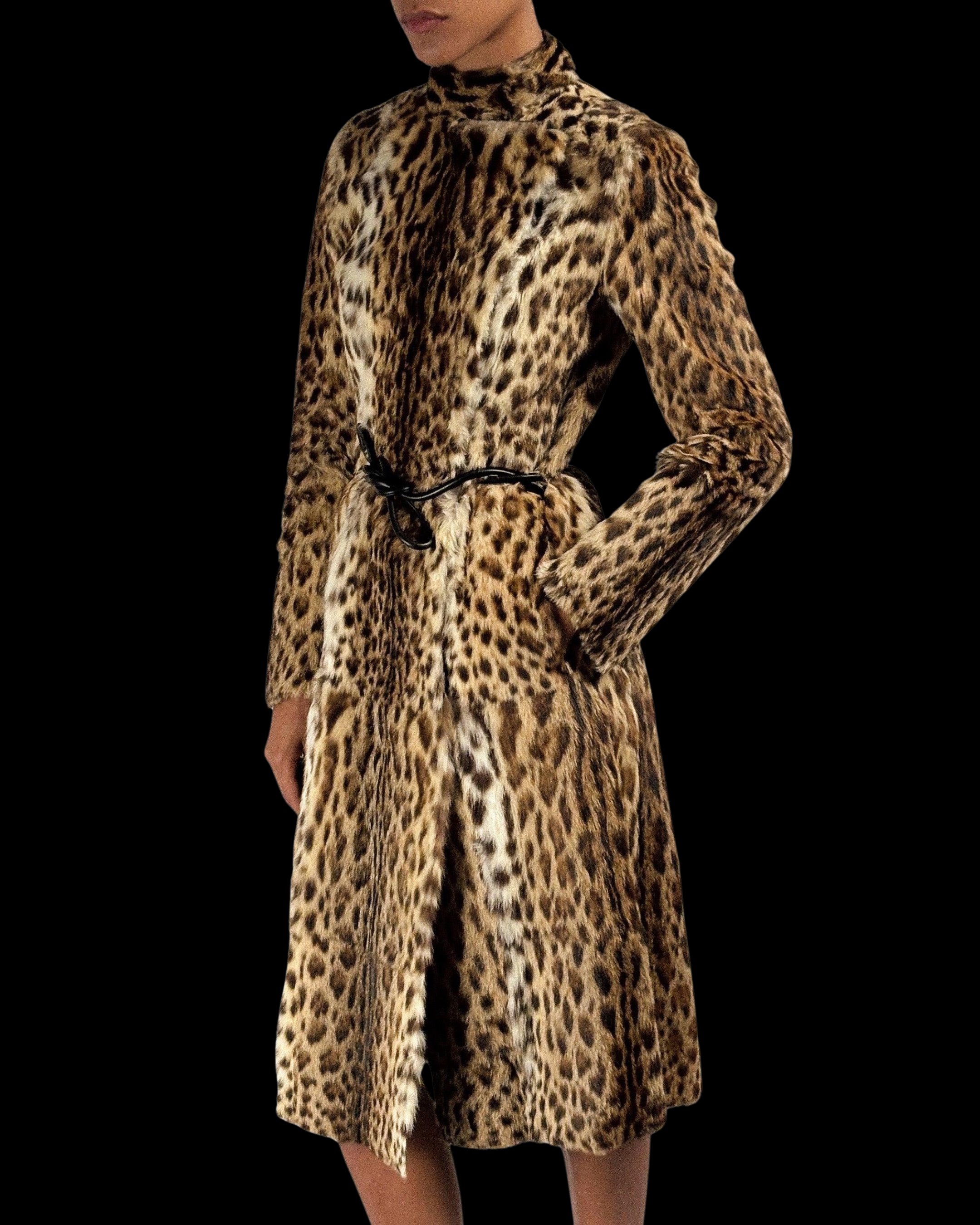
For Spring/Summer 2027, Demna presented The Store Show, transforming his runway into a simulated Gucci boutique. Familiar house characters returned alongside equestrian references, narrow tailoring and the sort of sophisticated seduction that has long belonged to the Gucci vocabulary.
The result was unmistakably Gucci.
But perhaps that's precisely what makes it interesting.
When a creative director arrives at one of the world's most recognisable fashion houses, the expectation is that they'll introduce a fresh perspective. Yet some of the most immediately identifiable elements of their work are often the ones that existed long before their appointment.
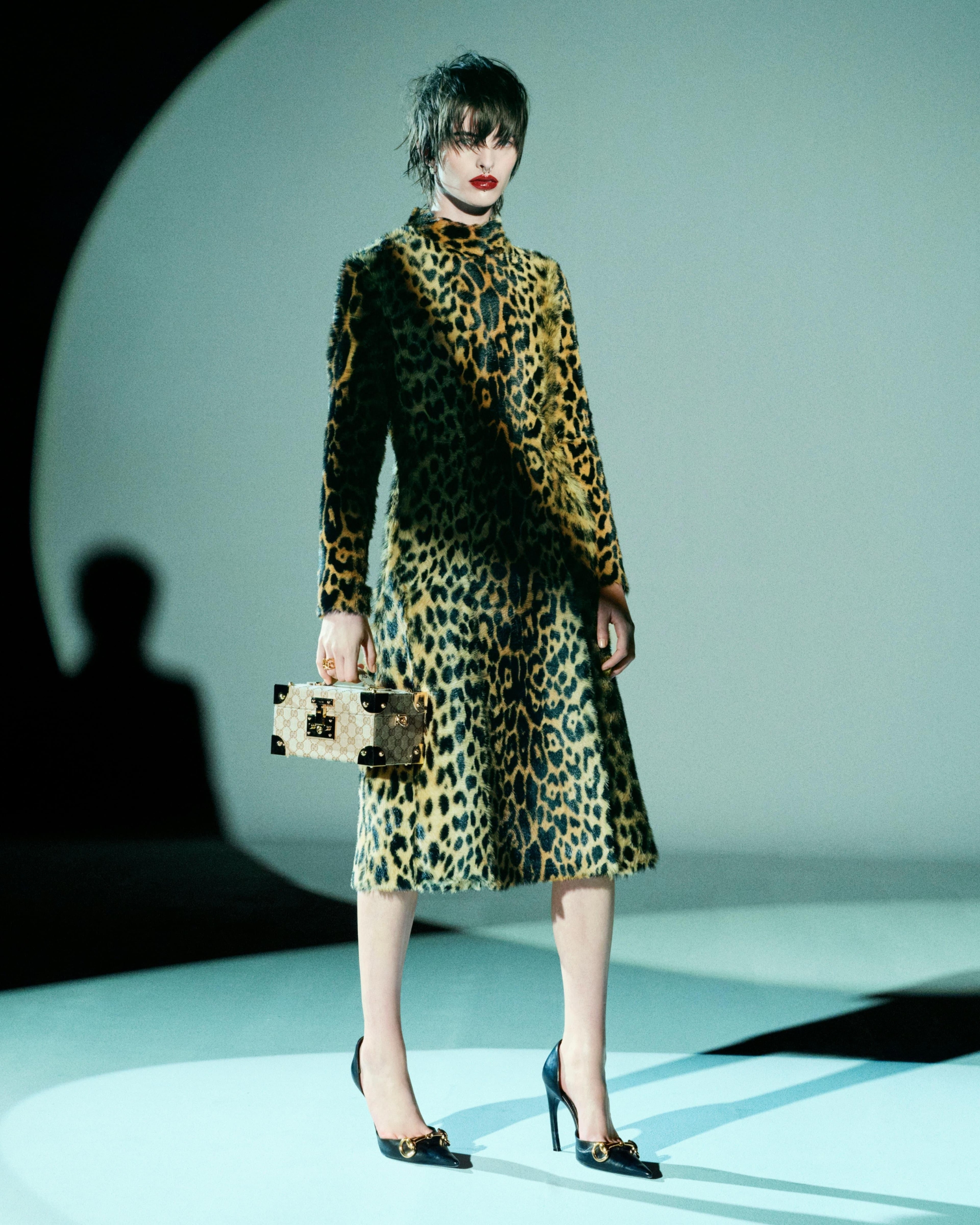
It's a complicated relationship. A new designer must respect the house they're inheriting, but surely the responsibility extends beyond reminding everyone why it was successful twenty years ago.
And Gucci is hardly alone.
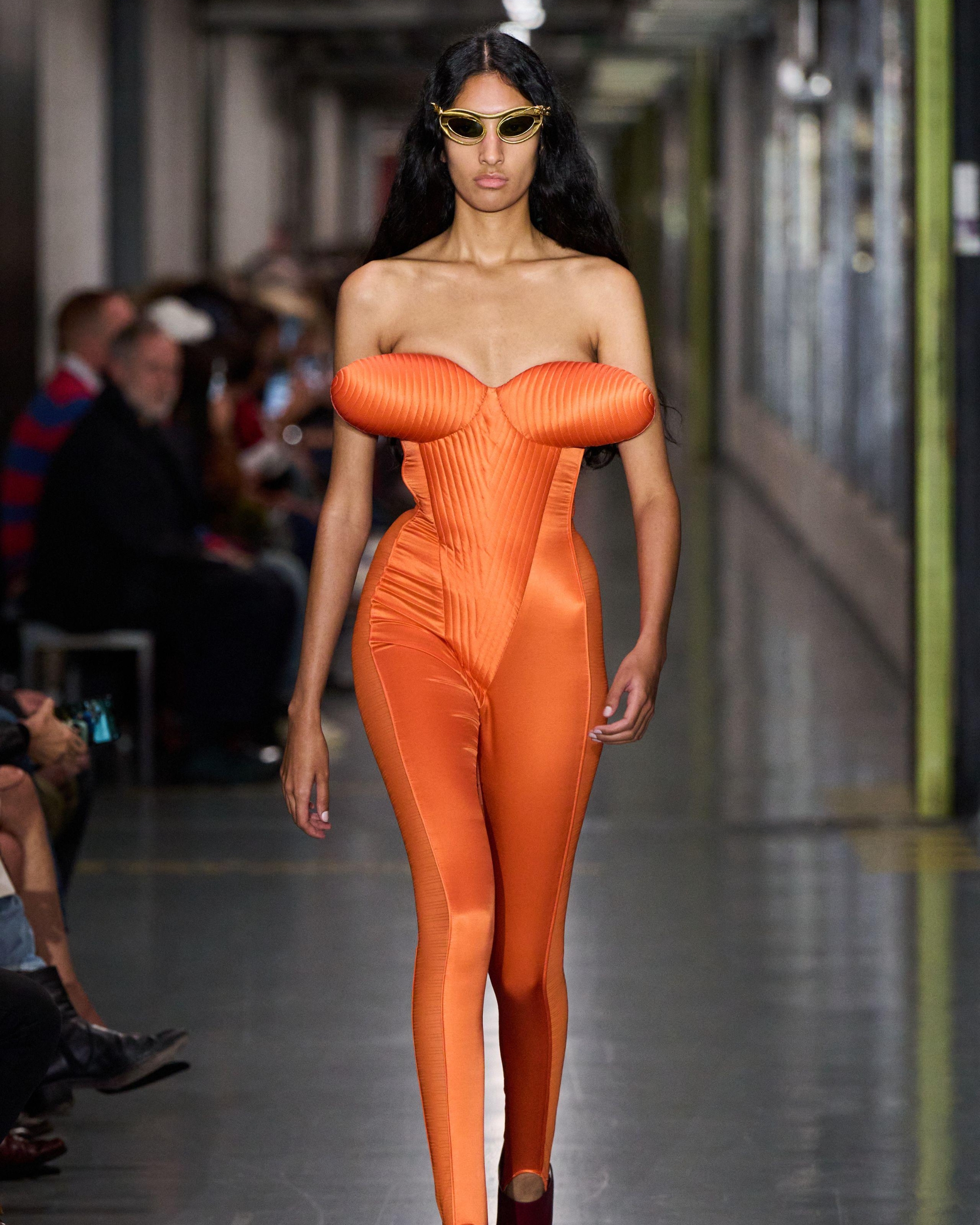
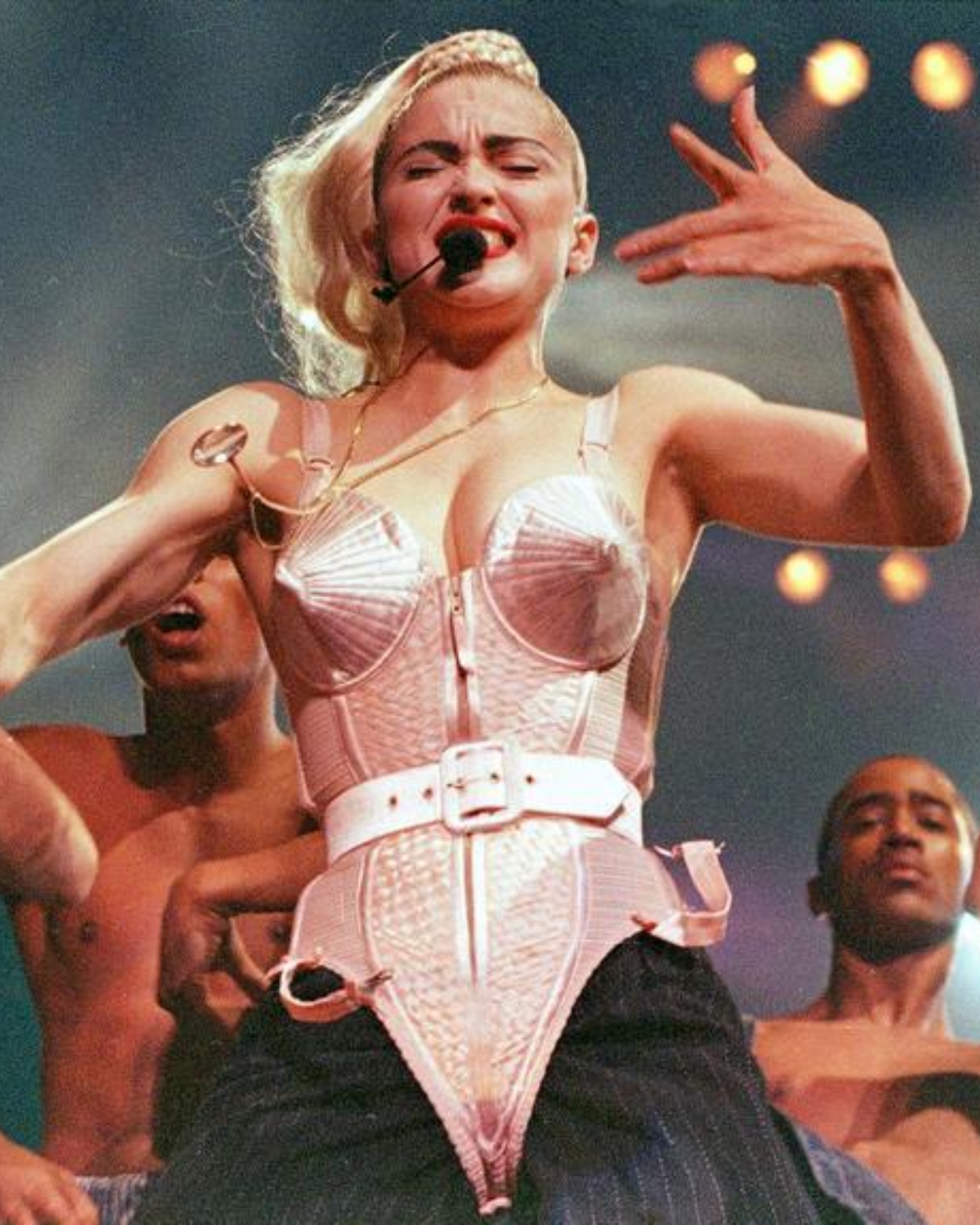
At Jean Paul Gaultier, Duran Lantink's SS27 collection returned to the house's unmistakable conical-bra silhouette, famously immortalised by Madonna during her 1990 Blond Ambition Tour. The proportions were exaggerated and the construction reimagined, but the family resemblance was impossible to ignore.
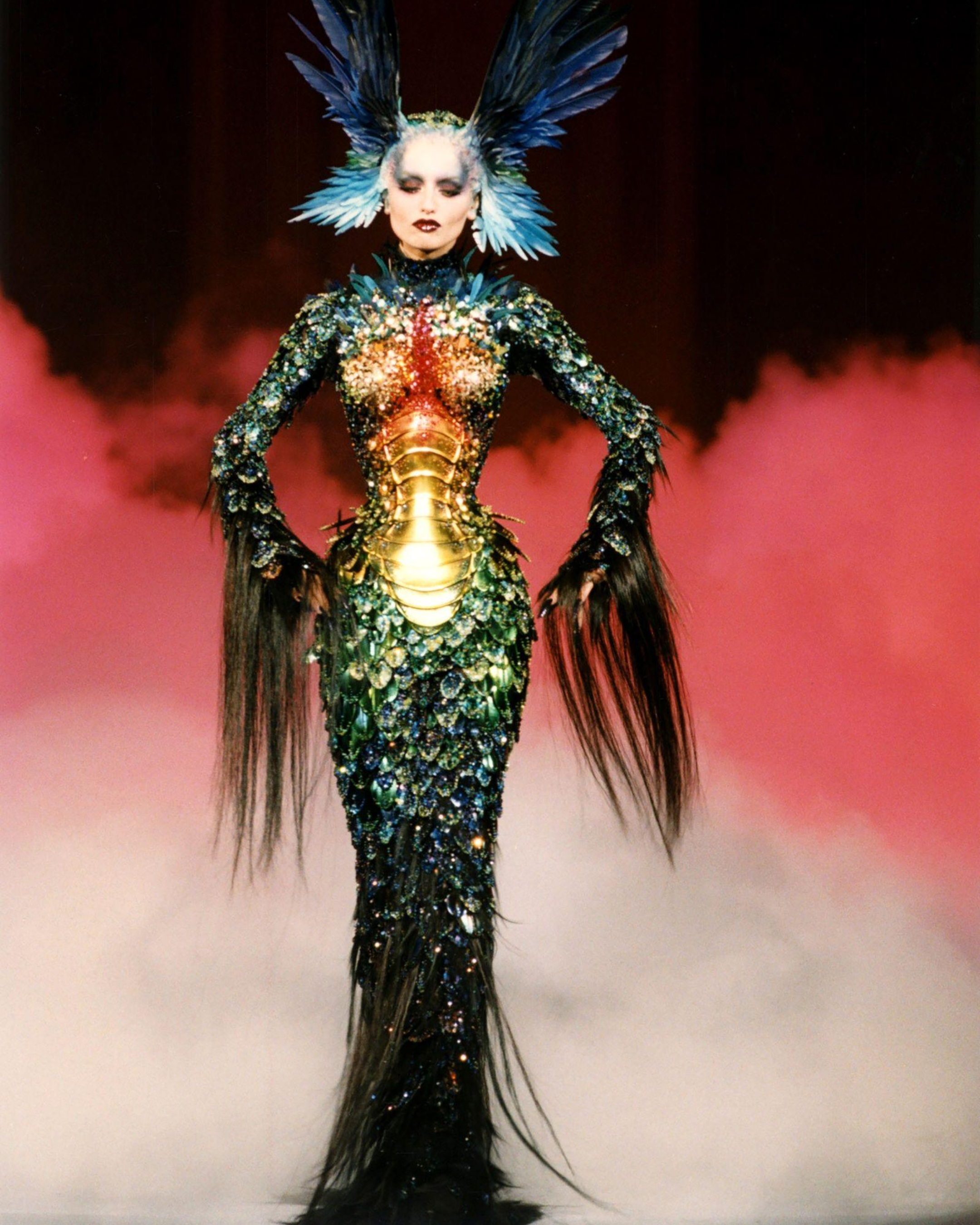
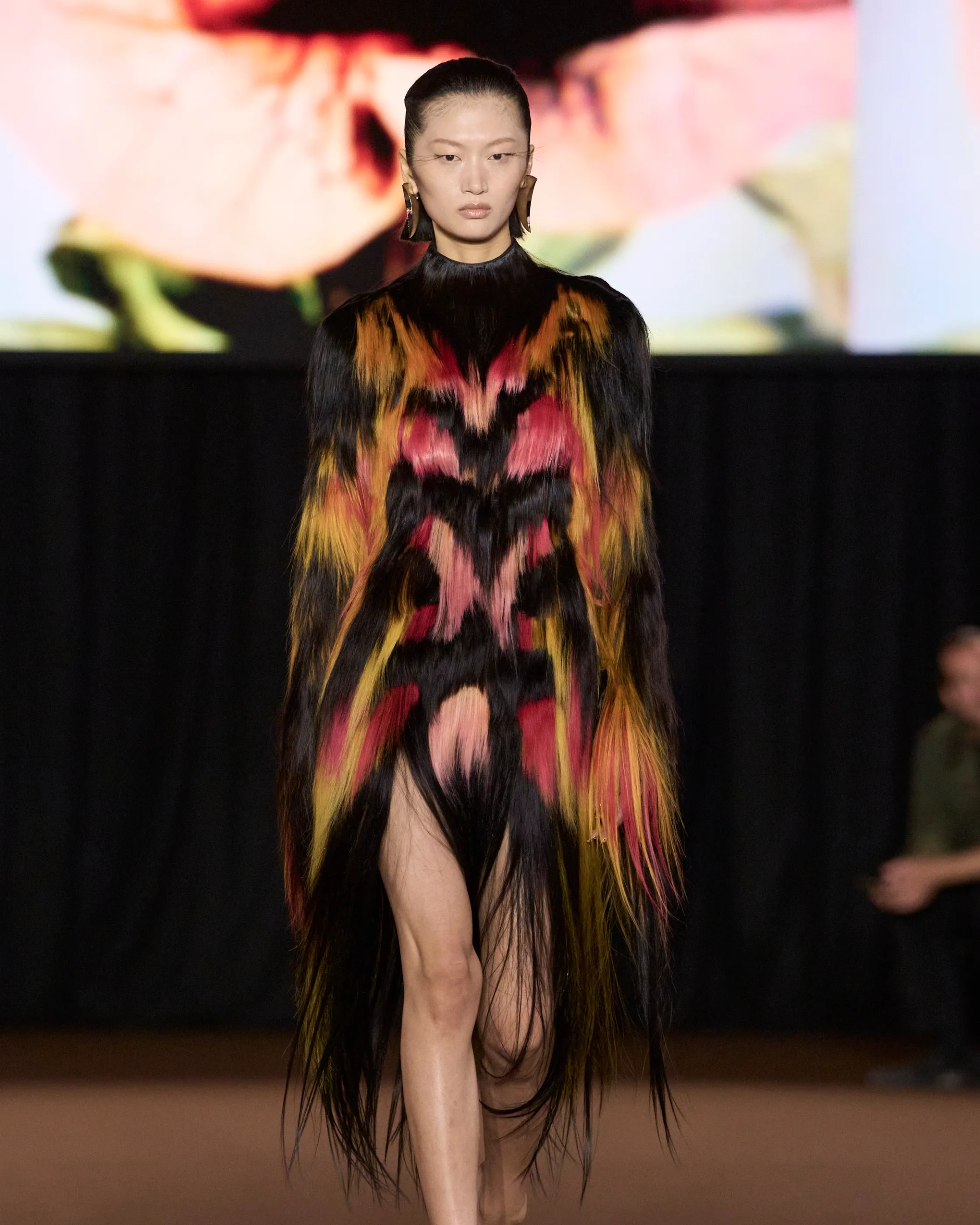
At Mugler, Miguel Castro Freitas revisited the extraordinary insect-like creations of Thierry Mugler's Spring 1997 couture collection. Wasp waists, sculptural bodies and animalistic embellishments returned in a contemporary interpretation of an already iconic fantasy.
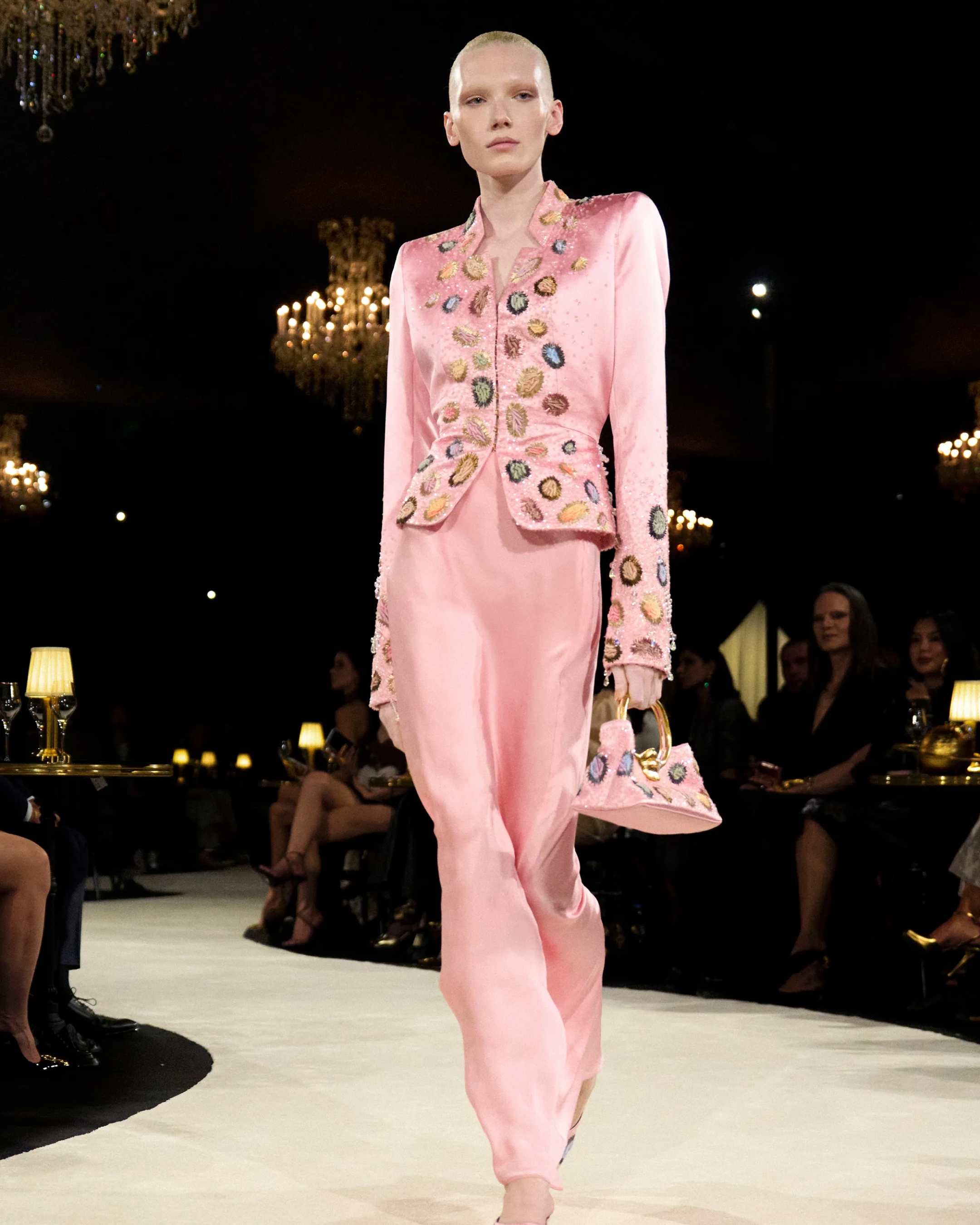
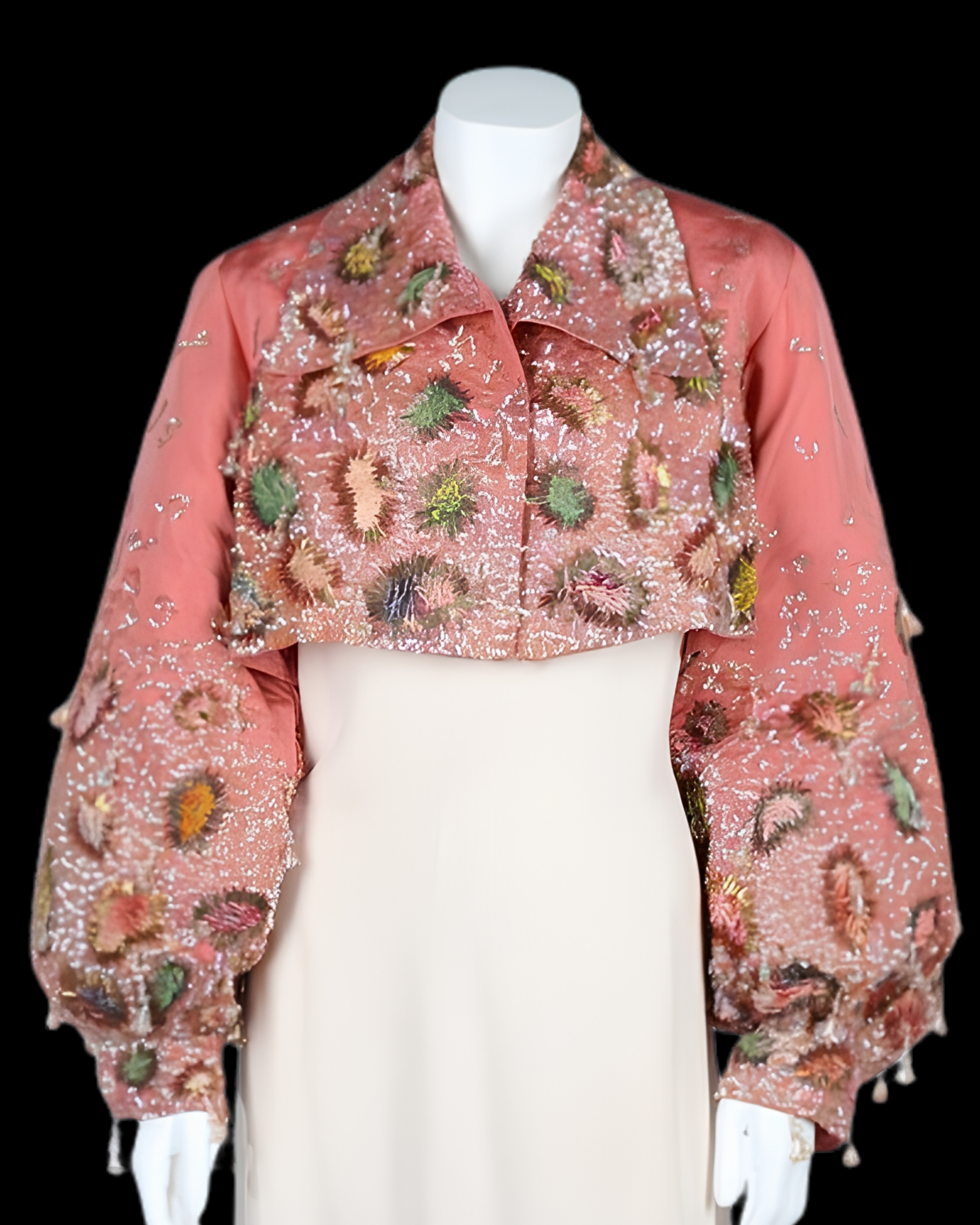
Meanwhile, Daniel Roseberry's Schiaparelli continues to find inspiration in Elsa Schiaparelli's extraordinary design vocabulary. The house's SS27 collection even included an embroidered pink jacket explicitly inspired by its 1948 archive.
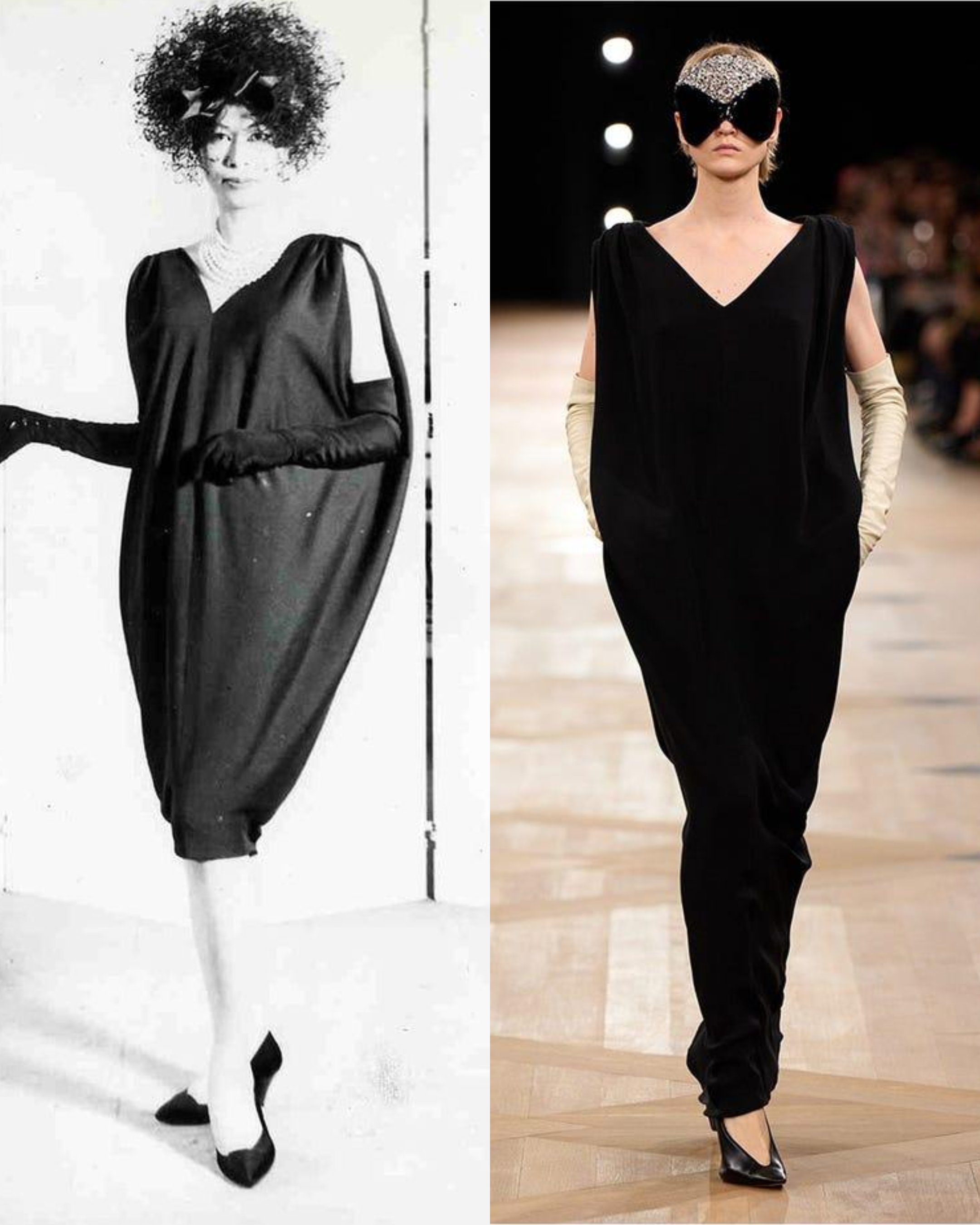
And at Balenciaga, Pierpaolo Piccioli's Spring 2026 debut drew directly from Cristóbal Balenciaga's revolutionary 1957 sack dress, reintroducing its distinctive volume and freedom from conventional waist definition.
Different houses. Different designers. Different creative approaches.
Yet across the industry, a familiar pattern emerges:
the past remains one of fashion's most dependable sources of newness.
There's a rather obvious commercial explanation for all this.
Nostalgia is good business.
An established fashion house doesn't simply sell clothing.
It sells a recognisable world: a particular silhouette, an attitude, an image of who its customer might become.
Gucci has its seductive glamour. Chanel has its tweed.
Gaultier has his provocative relationship with the body. Mugler has his architectural fantasies.
These aren't merely design details. They're valuable pieces of brand identity.
For a customer investing thousands in a luxury purchase, familiarity can be reassuring.
A recognisable house code offers a sense of continuity, belonging and authenticity.
It tells the customer they're purchasing something connected to a larger history.
And for the businesses themselves, there is considerable value in preserving that recognition.
Especially now.
After years of uncertainty across luxury retail, fashion houses are under pressure to reignite consumer desire, justify increasingly ambitious price tags and demonstrate that their creative investments can translate into commercial success.
In that environment, an archival revival becomes an attractive proposition. The aesthetic is already established.
The design language has already proved its appeal. And an entirely new generation of customers may be discovering it for the first time.
Why gamble on an unfamiliar future when the past comes with an established audience?
The logic makes perfect business sense.
Creatively, however, it's a little less convincing.
Because the more an industry relies on proven formulas, the less incentive there may be to develop something genuinely unfamiliar. And fashion, of all industries, should understand the value of taking a risk.
There's another question worth asking when an archival revival becomes the season's most discussed collection.
Who deserves the applause?
The designer who originally created the silhouette? The incoming creative director who successfully reintroduced it?
Or the fashion house whose reputation made the reference valuable in the first place?
It's not necessarily an either-or answer.
Referencing an archive can require extraordinary skill. Translating a decades-old garment into contemporary construction, materials and proportions is an act of design in itself. And sometimes, a new interpretation genuinely improves upon the original.
But not every reinterpretation is a reinvention.
Changing the fabric, shortening a hemline or updating the styling doesn't automatically produce a new creative idea.
Nor does placing a familiar design within an expensive runway spectacle make it revolutionary.
Perhaps the more uncomfortable truth is that fashion has become particularly skilled at celebrating the appearance of change. A new creative director is appointed. A new visual identity is introduced.
A carefully orchestrated debut becomes the industry's most anticipated event.
And sometimes, beneath all that expensive theatre, the most exciting thing about the collection is how effectively it reminds us of somebody else's work. The archive becomes the headline. The new designer becomes its interpreter.
And the industry calls it a renaissance.
It's tempting to place the responsibility entirely on the designers.
After all, they're the names printed alongside the collections.
They're the personalities appointed to redefine the fashion houses.
They're the ones expected to deliver the next great creative moment.
But how much freedom do they actually have?
Today's creative directors aren't simply designing clothes. They're managing the expectations of shareholders, balancing commercial performance, maintaining brand recognition and producing collections that need to satisfy everyone from fashion editors to customers.
They must be innovative, but not unrecognisable.
Provocative, but commercially viable.
Original, but unmistakably connected to the heritage they've inherited.
It's quite the job description.
And perhaps that's where the real contradiction lies.
Luxury fashion celebrates creative vision, yet its business structures can make genuine experimentation a difficult proposition. The more valuable a house's identity becomes, the greater the commercial risk of departing from it.
So designers find themselves working within increasingly familiar boundaries, expected to produce something new without straying too far from what already works.
The result isn't necessarily bad fashion.
In fact, some of these collections are exceptionally accomplished.
The construction is sophisticated, the styling is considered and the garments themselves can be beautiful.
But beautiful doesn't always mean groundbreaking.
And commercially successful doesn't automatically mean creatively ambitious.
Those are distinctions the industry should be more willing to make.
None of this is to suggest that designers should abandon the past.
Quite the opposite. Fashion history is extraordinary precisely because it records the moments when designers challenged the conventions of their time.
Cristóbal Balenciaga reimagined the relationship between fabric and the female body. Elsa Schiaparelli treated fashion as an extension of surrealist art. Thierry Mugler created fantastical silhouettes that transformed models into otherworldly creatures. Jean Paul Gaultier made an art form of challenging ideas about gender, sexuality and dress.
Their influence didn't come from creating something safely familiar.
It came from making the unfamiliar impossible to ignore.
That is what makes their work worth revisiting decades later.
And that should be the ambition of contemporary designers, too.
The greatest value of an archive isn't that it provides something to reproduce.
It's that it offers a record of how creative boundaries were pushed in the first place.
An invitation to question, reinterpret and challenge.
Not a set of instructions to follow indefinitely.
The strongest contemporary collections understand this distinction. They preserve enough of a house's history to make its identity recognisable, while introducing something that couldn't have existed in quite the same way before.
They contribute to the archive, rather than simply borrowing from it.
And ultimately, that should be the measure of meaningful reinvention.
Fashion doesn't have an archive problem. It has an originality problem.
Not because designers are incapable of producing new ideas, or because historical references have suddenly become creatively bankrupt. But because the industry sometimes appears more comfortable celebrating familiarity than confronting the uncertainty of genuine change.
Heritage is valuable. Nostalgia can be beautiful. And there is nothing inherently wrong with revisiting a successful idea.
But remembering the past shouldn't be mistaken for inventing the future.
A new creative director deserves the opportunity to build a legacy of their own, just as a historic fashion house deserves more than becoming a museum of its former successes.
Because the most iconic designers didn't become history by repeating it.
They created something worth remembering.
And if fashion keeps looking backwards for its next big idea, who's making the archives of tomorrow?
