





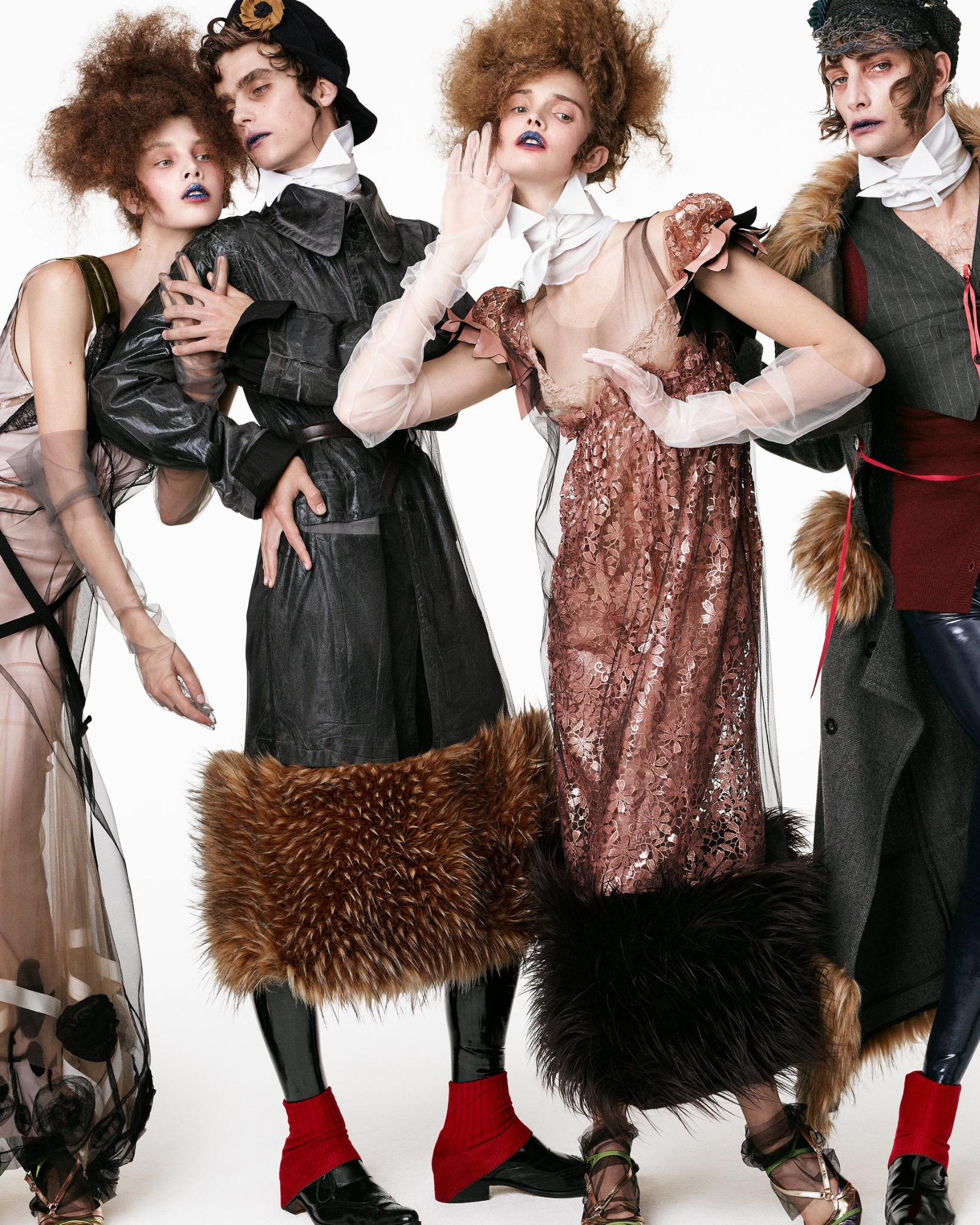
His Zara Re{form} collection has landed with exactly the kind of fashion-theatre you’d expect: twisted tailoring, exaggerated proportions, romantic weirdness and enough Galliano-coded styling to send the internet into immediate overdrive.
So while London and Madrid get to participate in the latest designer feeding frenzy, Australians are once again doing what we do best: watching from the other side of the screen.
Australia? Left on read.
And Galliano isn’t exactly our first fashion situationship.
Fashion has never felt more international.
A runway happens in Paris and a girl in Sydney sees the look before the model has reached the end of the catwalk.
A bag takes off in New York and by dinner it is already sitting in ten Australian moodboards.
TikTok, Instagram, Substack, celebrity styling and fashion media have flattened the cultural distance between markets.
Distribution hasn’t necessarily kept up.
That is where the weirdness begins.
Australian consumers can participate in the hype cycle at exactly the same time as everyone else,
while the commercial side of fashion can still treat us as a separate, delayed or secondary market.
The internet says global.
The checkout says otherwise.
When Phoebe Philo finally launched her namesake label in October 2023, the return was treated less like a clothing launch and more like a fashion event.
Years after leaving Céline, one of fashion’s most watched designers was back with her own vocabulary, her own product and an audience already waiting.
There was only one problem for Australians.
We weren’t part of the initial launch.
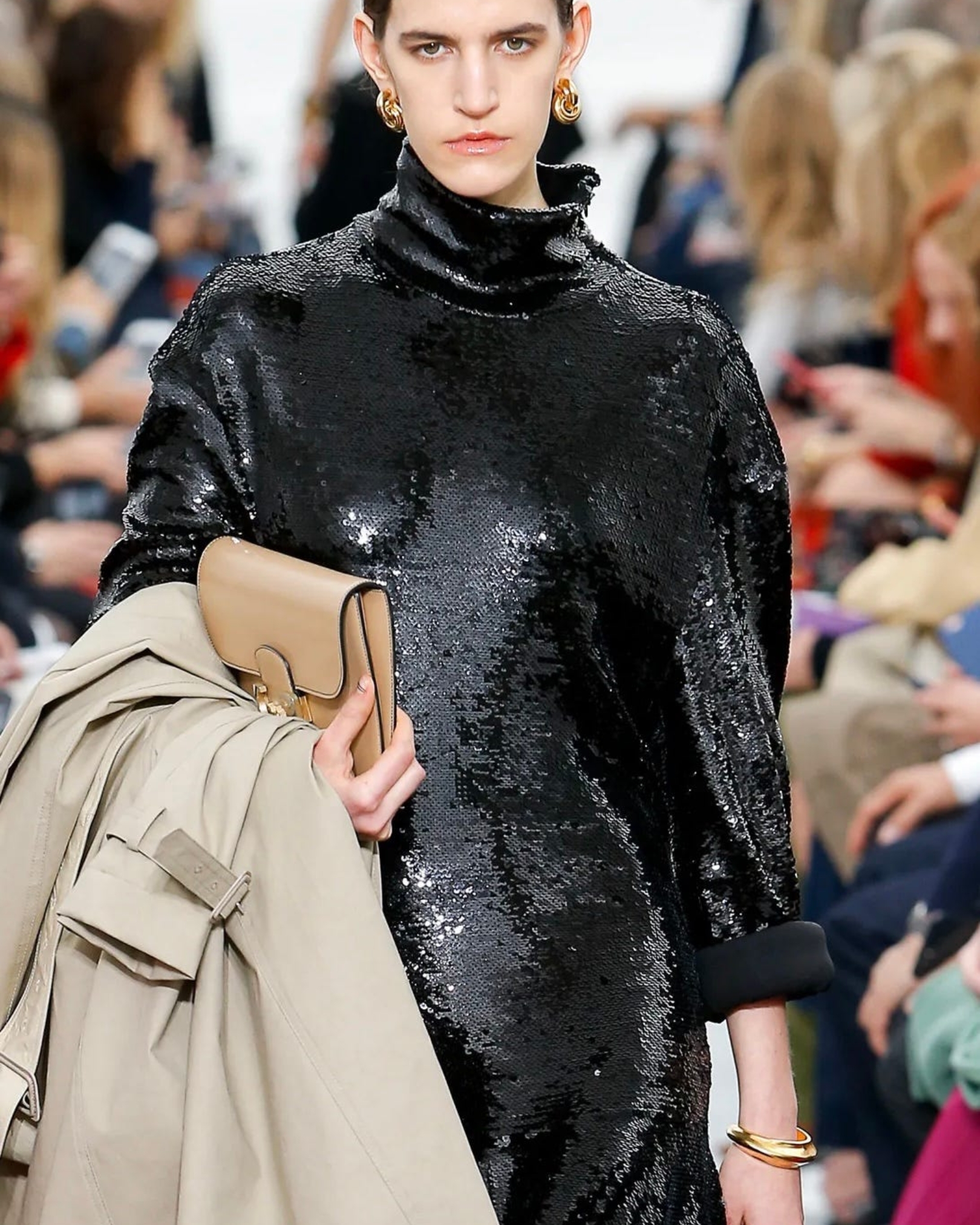
The brand originally opened ecommerce across markets including the UK, Europe and US, while Australian shoppers had to wait for official local access. The Australian-facing Phoebe Philo site exists now, with the brand serving the Asia-Pacific market, but the delay remains a perfect example of the disconnect. Phoebe Philo
Phoebe returned to fashion in 2023.
Australia eventually got the text back.
By then, we had already seen every coat, bag, shoe and piece of jewellery circulate endlessly online.
That distinction matters.
Demand did not arrive when distribution did.
The audience was already here.
The Row’s Margaux might be one of the clearest examples of modern fashion desire doing exactly what it is supposed to do. Understated. Expensive. Difficult to get.
The bag became one of the defining luxury accessories of the quiet-luxury era, regularly discussed as the anti-logo status bag for people who supposedly didn’t care about status bags.
Naturally, everyone wanted one.
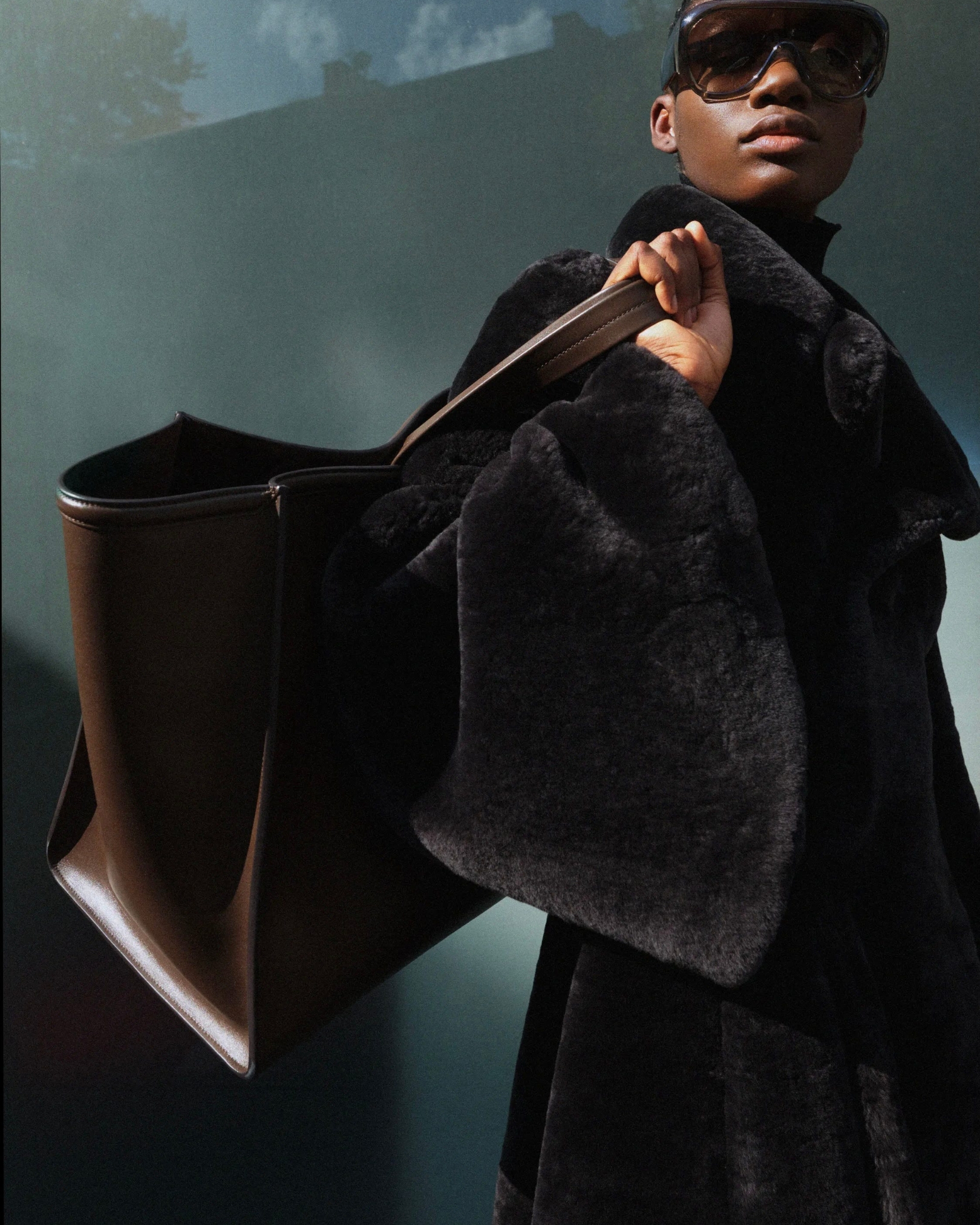
For Australian shoppers, though, wanting the exact size, leather and colour combination you had seen overseas could mean a much narrower pool of stock, waiting, importing or heading to resale.
The Row does now operate a dedicated Australian ecommerce storefront, so this is not a case of Australians being completely excluded. The Row
It is something subtler.
Available to Australians does not always mean readily available in Australia.
And in the luxury market, that difference can be everything.
By the time a particular bag becomes the bag, customers are no longer looking for something vaguely similar.
They want that one.
That exact size.
That exact leather.
That exact shade they have watched circulate through street style, celebrity images and fashion accounts for six months. Good luck, babe.
Then we reach the fashion equivalent of someone who seems to be dating everyone except you.
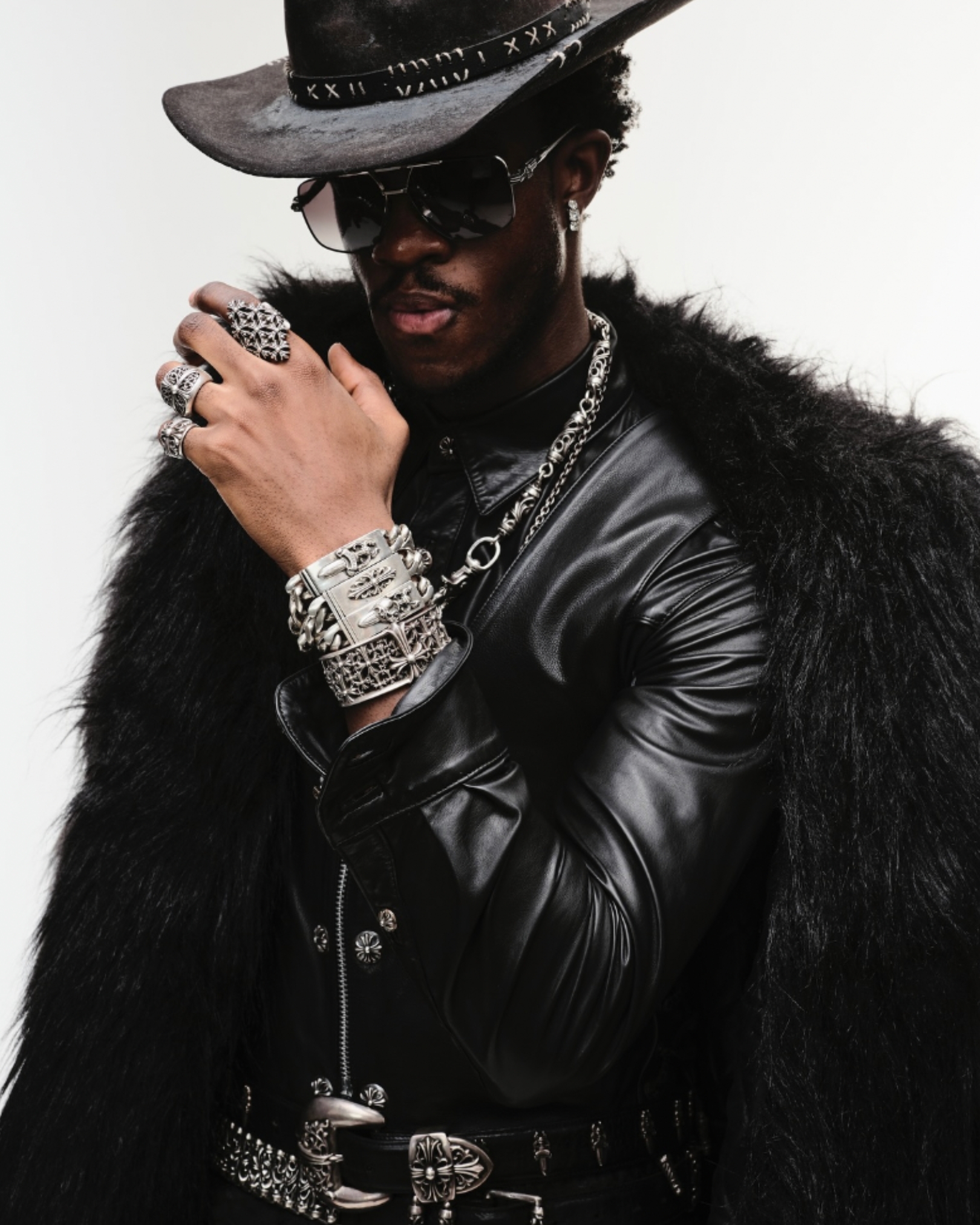
Chrome Hearts has built much of its mythology around scarcity, physical retail and pieces that are not necessarily sitting neatly inside a traditional global ecommerce machine.
Its official authorised-retailer directory currently lists stockists in Japan, the United States and Europe.
Australia does not appear on that authorised-retailer list. Chrome Hearts
Yet culturally?
Chrome Hearts is hardly invisible here.
Australian consumers see the jewellery, eyewear, denim and graphic pieces worn by the same international musicians, models and celebrities everyone else sees.
The brand is completely accessible as an image.
Accessing the product itself can be another matter.
New York. London. Tokyo. Seoul.
Chrome Hearts gets around.
Australia? Apparently not its type.
And this is where the idea of fashion access becomes more complicated than simply asking whether a brand technically ships here. There is a difference between having a website that accepts an Australian address and having a meaningful Australian retail presence.
One says: you may buy this.
The other says: you are part of this market.
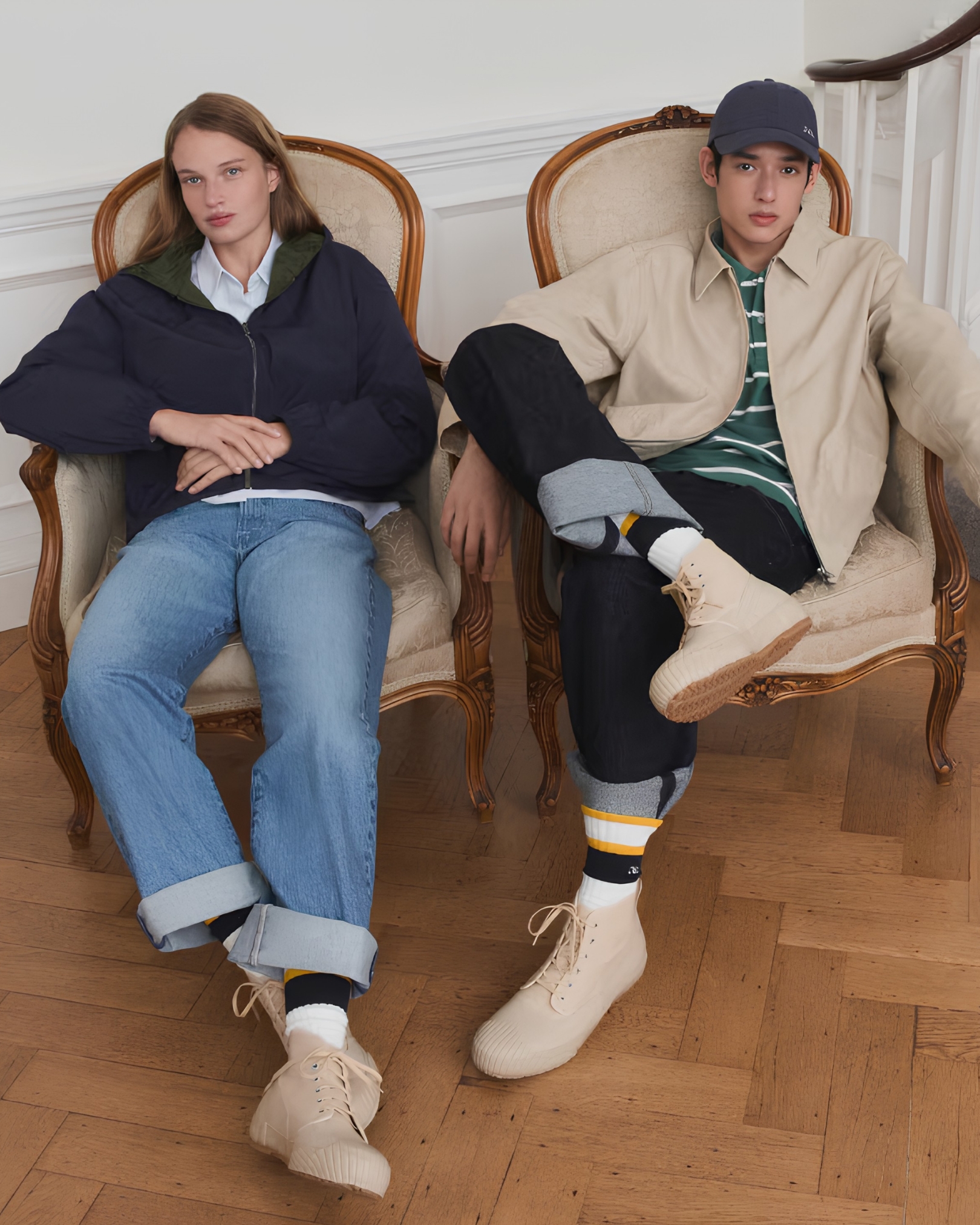
UNIQLO offers perhaps the clearest explanation for why some of this happens because, unlike most brands, it says the quiet part out loud.
UNIQLO Australia currently tells customers that its special collaborations generally launch here around six months after other regions, aligning releases with Australian seasons. Uniqlo FAQ Australia
From a merchandising perspective, it makes sense.
From a cultural perspective, it is slightly absurd.
A JW Anderson or Cecilie Bahnsen campaign can appear globally. Australian fashion audiences see it immediately. Content creators overseas try everything on. Reviews appear. Hero products emerge.
Then Australia waits.
UNIQLO also notes that even once collaborations arrive, flagship stores generally receive the full ranges while other locations can carry selected styles only. Uniqlo FAQ Australia
So the equation becomes:
See the campaign today.
Shop the collection six months later.
Fashion may still operate around seasons.
Our feeds absolutely do not.
Australia is not being personally victimised by the fashion industry, despite what the group chat may suggest.
There are practical reasons behind regional launches.
We sit in the opposite season to the major Northern Hemisphere fashion capitals. We are geographically distant from European and American distribution centres. Our population is smaller than markets like the US, China and much of Europe. Buying teams have to make decisions about demand, inventory and what products make commercial sense locally.
None of that is particularly scandalous.
But the consumer experience has changed faster than those systems have.
Once upon a time, a six-month delay could genuinely mean Australians encountered a collection six months later.
Now?
We’ve already watched the launch party.
Seen the campaign.
Saved the styling.
Read the reviews.
Watched the unboxings.
Seen the product sell out overseas.
And moved on to the next trend before local stock has even arrived.
That creates a very modern branding problem.
This might be the most interesting part.
Fashion brands now market through an ecosystem that is almost impossible to contain geographically.
A campaign released in London is not just for London.
A celebrity wearing a bag in Los Angeles is not only advertising to Americans.
An image posted by a Parisian fashion house is consumed in Melbourne, Seoul, Toronto, Singapore and Copenhagen almost simultaneously. Brands benefit from that global attention.
Australian consumers contribute to the views, reposts, comments, searches and cultural momentum that turn products into objects of desire. Which means brands can unintentionally create demand in markets they are not prepared to serve. That is where exclusivity can stop feeling aspirational and start feeling slightly neglectful.
Scarcity can be sexy.
Being forgotten is less so.
For brands, there is a difference between deliberately limiting supply and creating a customer who repeatedly feels like an afterthought.
One builds desire.
The other eventually teaches them to shop elsewhere.
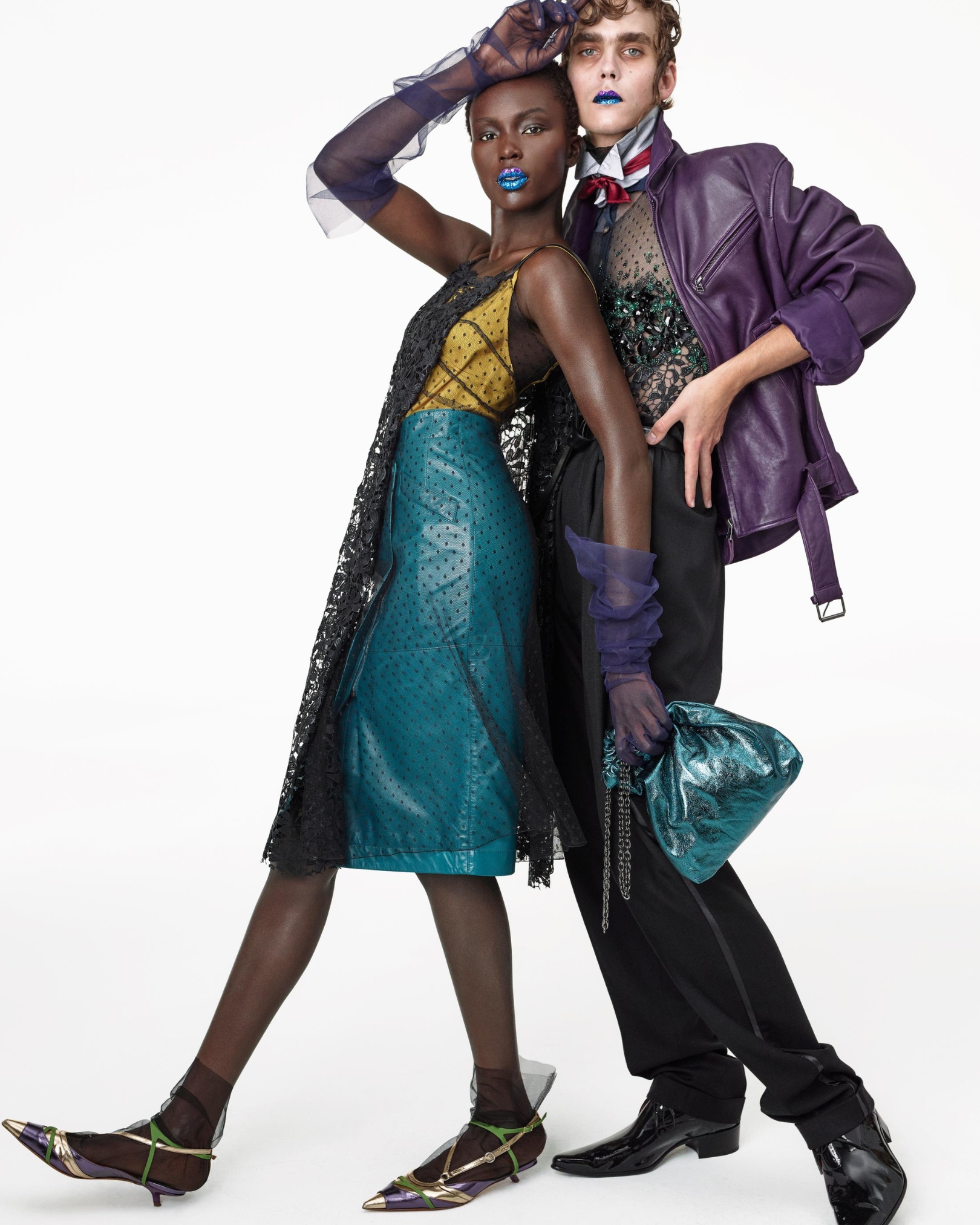
John Galliano’s Zara collection is currently the perfect little symbol of this tension.
The clothes are already participating in global fashion culture.
Australians are participating in the conversation.
What we are not currently participating in is the checkout.
Maybe Australian access changes. Maybe a later release comes. Fashion distribution plans move all the time.
But that almost isn’t the point.
Because Galliano is simply the latest name attached to an experience Australian fashion consumers already recognise.
We see the campaigns.
We join the hype.
We want the clothes.
And every now and then, fashion replies:
