.png)





Niamh Galea, Briar Will and VAN BRUSSEL are heading to CENTRESTAGE Hong Kong. Same passport, wildly different personalities.
Hong Kong, we’re sending company.
Ten Australian labels are heading to CENTRESTAGE this September as part of the Australian Fashion Council’s Global Gateways program, putting local designers in front of Asian buyers, media and industry.
It is fashion diplomacy, essentially, except everyone is better dressed.
The full Australian line-up stretches from established names to emerging labels,
but three in particular made us look twice: Niamh Galea, Briar Will and VAN BRUSSEL.
Not because they look alike. Quite the opposite.
One is flirtatious, funny and a little unhinged.
One turns old clothes into digital optical illusions.
The other is so controlled it makes restraint look sexy.
Three designers. Three completely different brand worlds. And that is exactly the point.
Because good branding isn't matching fonts and a nice Instagram grid.
The best labels establish codes strong enough that you can recognise the world before you ever see the name.
These three get it.
NIAMH GALEA: Personality Becomes The Product
Niamh Galea doesn't exactly whisper.
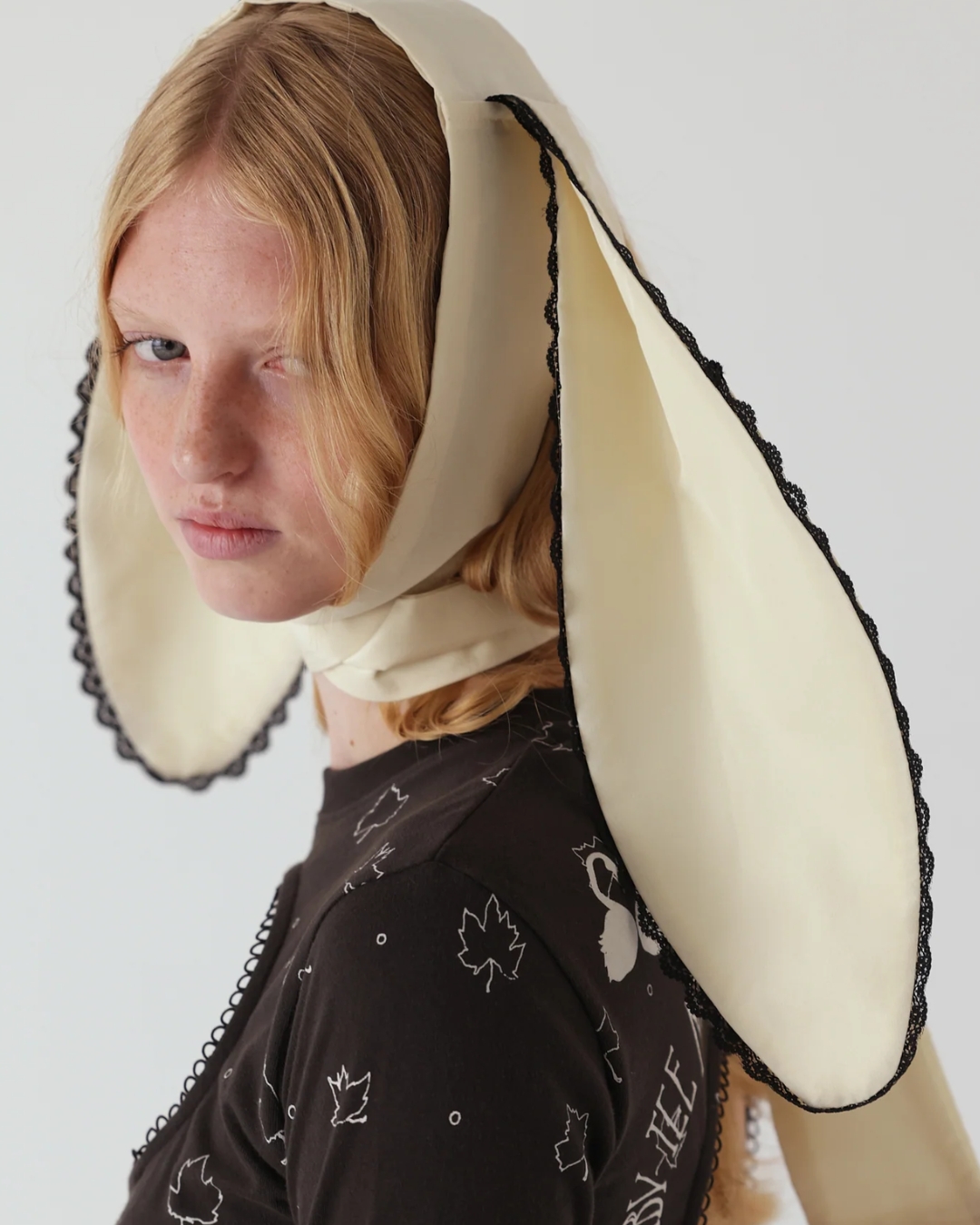
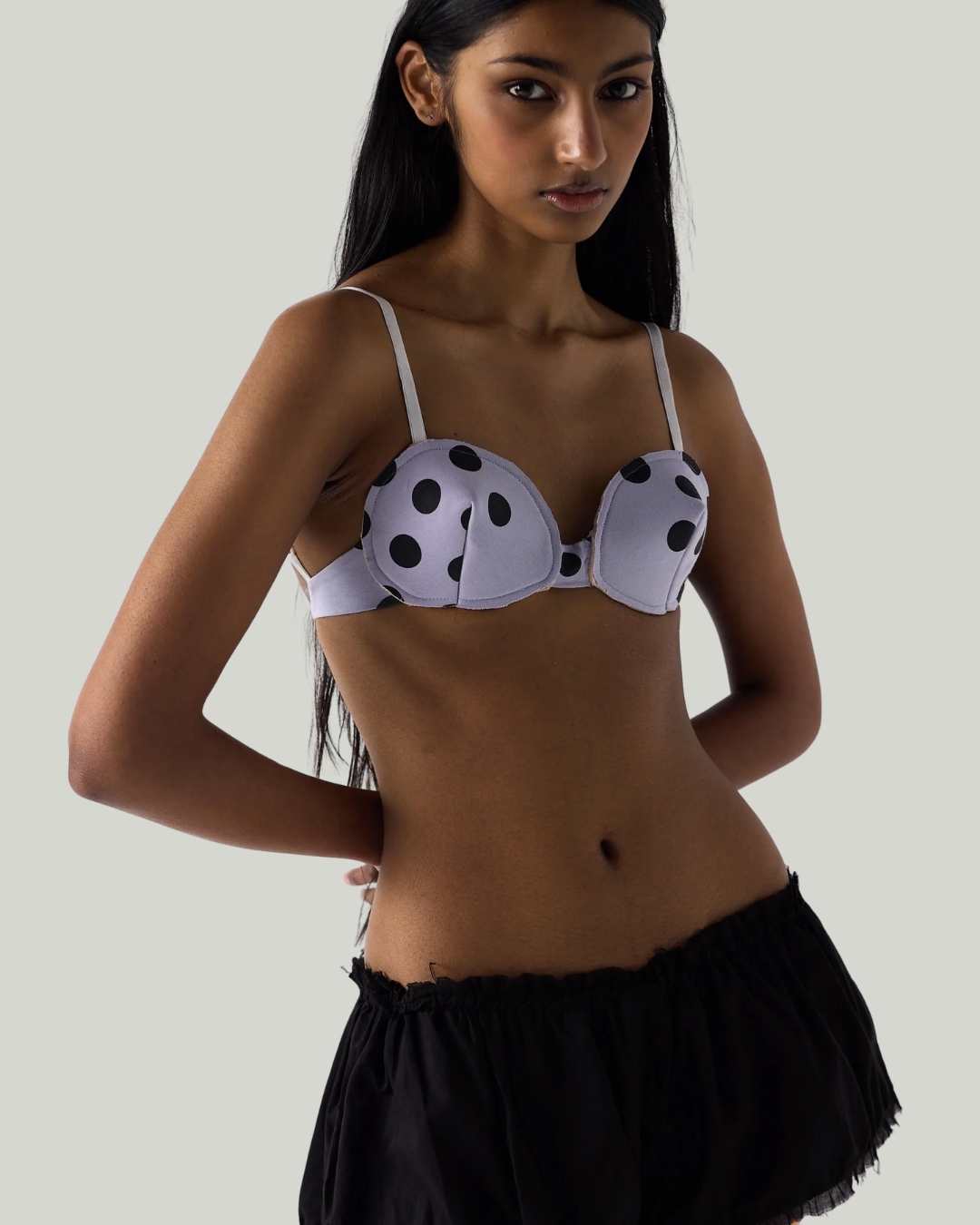
There are bloomers, lingerie references, baby-doll proportions, sheer layers, tiny bras, bunny ears
and enough mischievous femininity to make “quiet luxury” want to go home early.
And underneath all that flirtation is actually a very clear brand strategy.
The label began life in 2018 as RAMP TRAMP TRAMP STAMP, originally an anonymous Instagram account Galea created around her graduate collection. What began almost accidentally grew into a fully fledged brand and, in March this year, she retired the RTTS name to begin designing under her own. Galea describes the mission behind both iterations as rejecting shame, acting with love and dressing how you feel.
Which explains why the label's biggest asset isn't one specific dress.
It's personality.
The Codes:
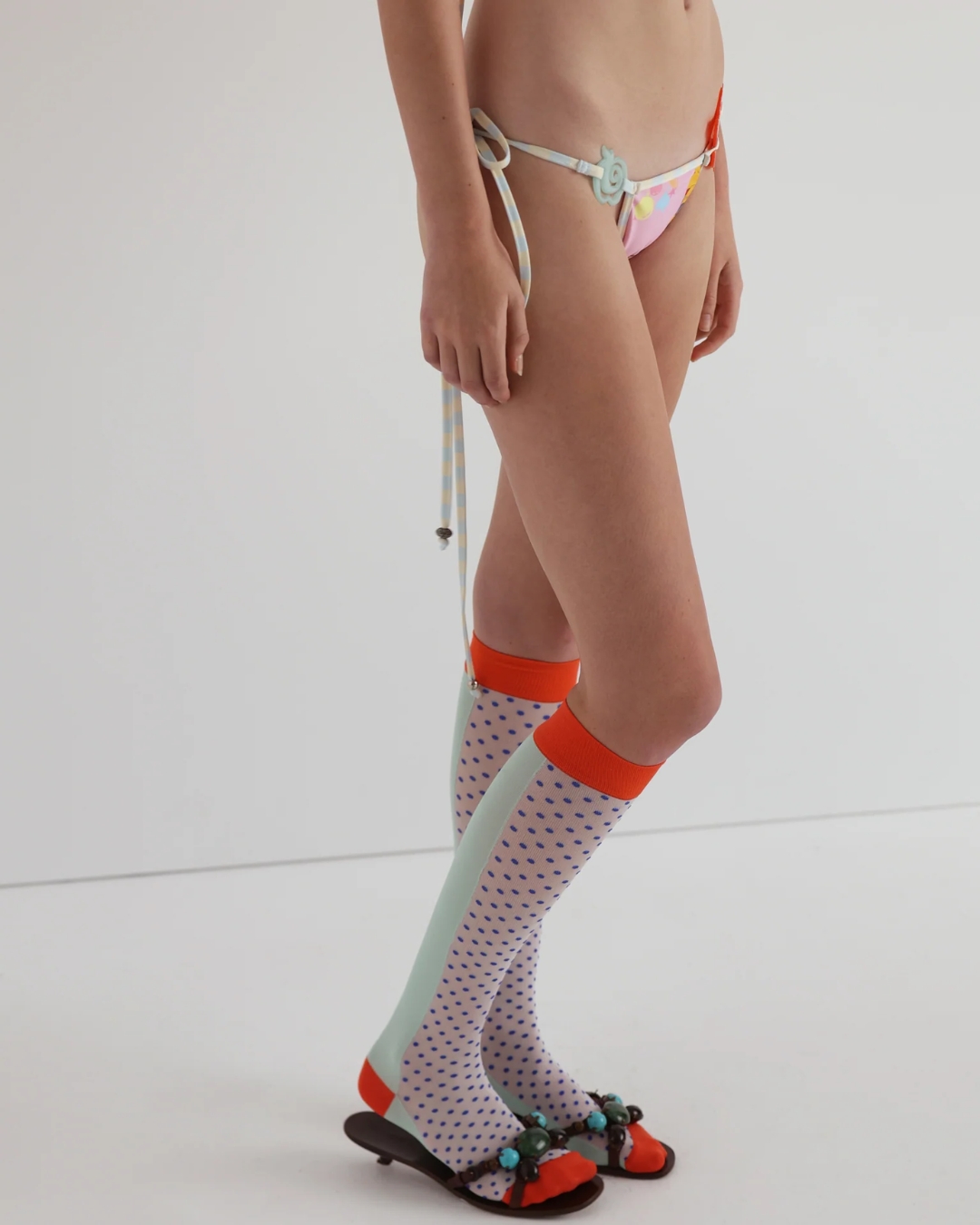
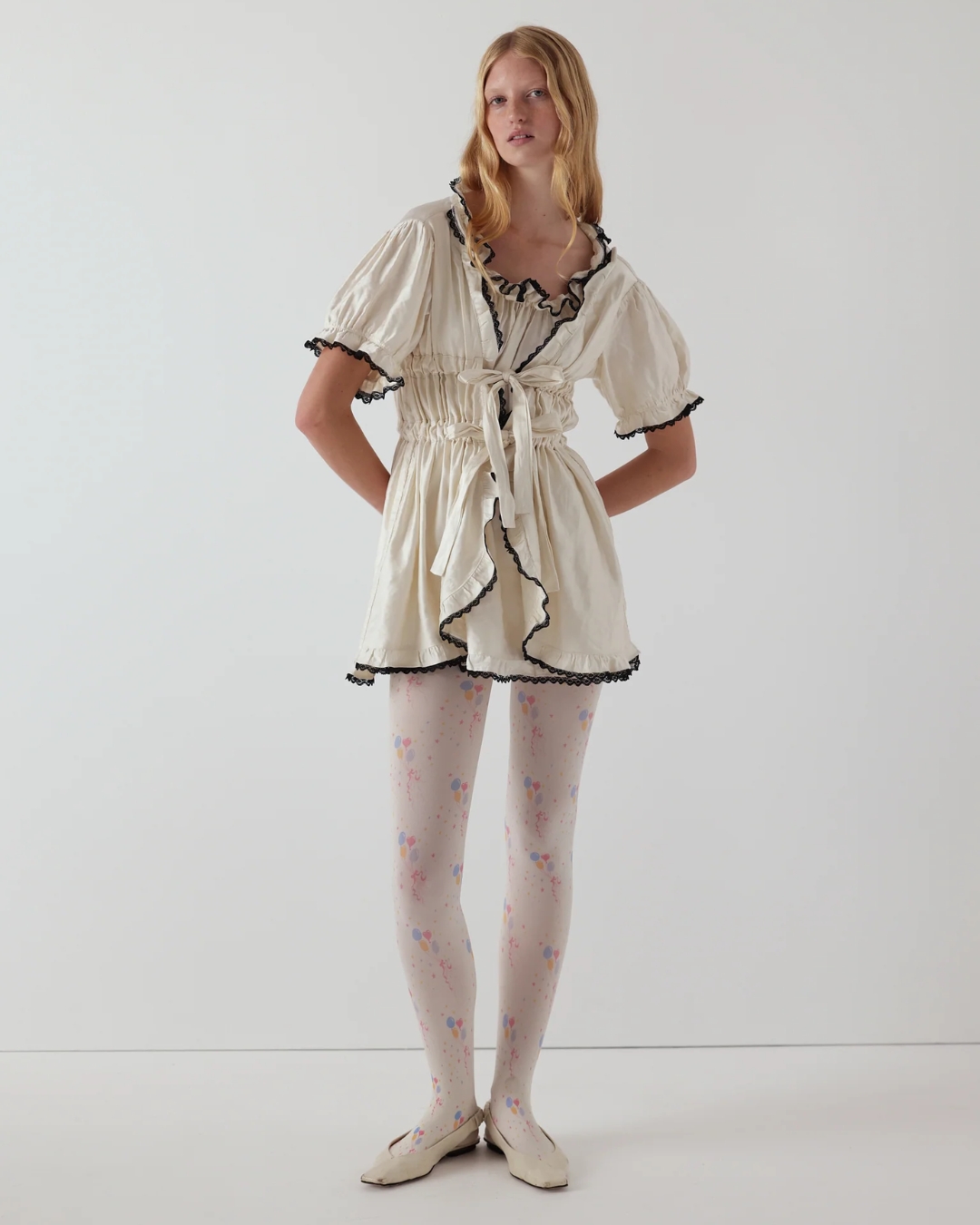
Provocation. Playfulness. Lace. Subculture. Sheer layers. Hyper-femininity.
Niamh Galea understands something brands spend increasingly absurd amounts of money trying to manufacture:
people want to feel like they have entered a world.
The clothes aren't presented as pristine objects floating in a luxury vacuum.
They're suggestive, funny, sometimes awkward, sometimes pretty, occasionally ridiculous
and usually a combination of several of those things at once.
That imperfection gives the brand intimacy.
Even pieces with overtly feminine codes avoid becoming sugary.
A ruffle gets paired with an odd proportion. Lingerie becomes outerwear.
Something romantic gets interrupted by something slightly trashy.
Good.
Fashion could use a little more trashiness.
And importantly, the brand extends beyond product.
Its Sydney shop and studio houses the current collection alongside samples, one-offs and archive pieces,
while its own resale platform circulates pre-loved Niamh Galea and RTTS garments back into the brand ecosystem.
It makes the whole thing feel less like a seasonal product machine and more like a club.
The code: personality becomes the product.
Because before you're buying the dress, you're buying into the girl who would wear it.

BRIAR WILL: Process Becomes The Identity
Then Briar Will arrives and starts messing with your eyes.
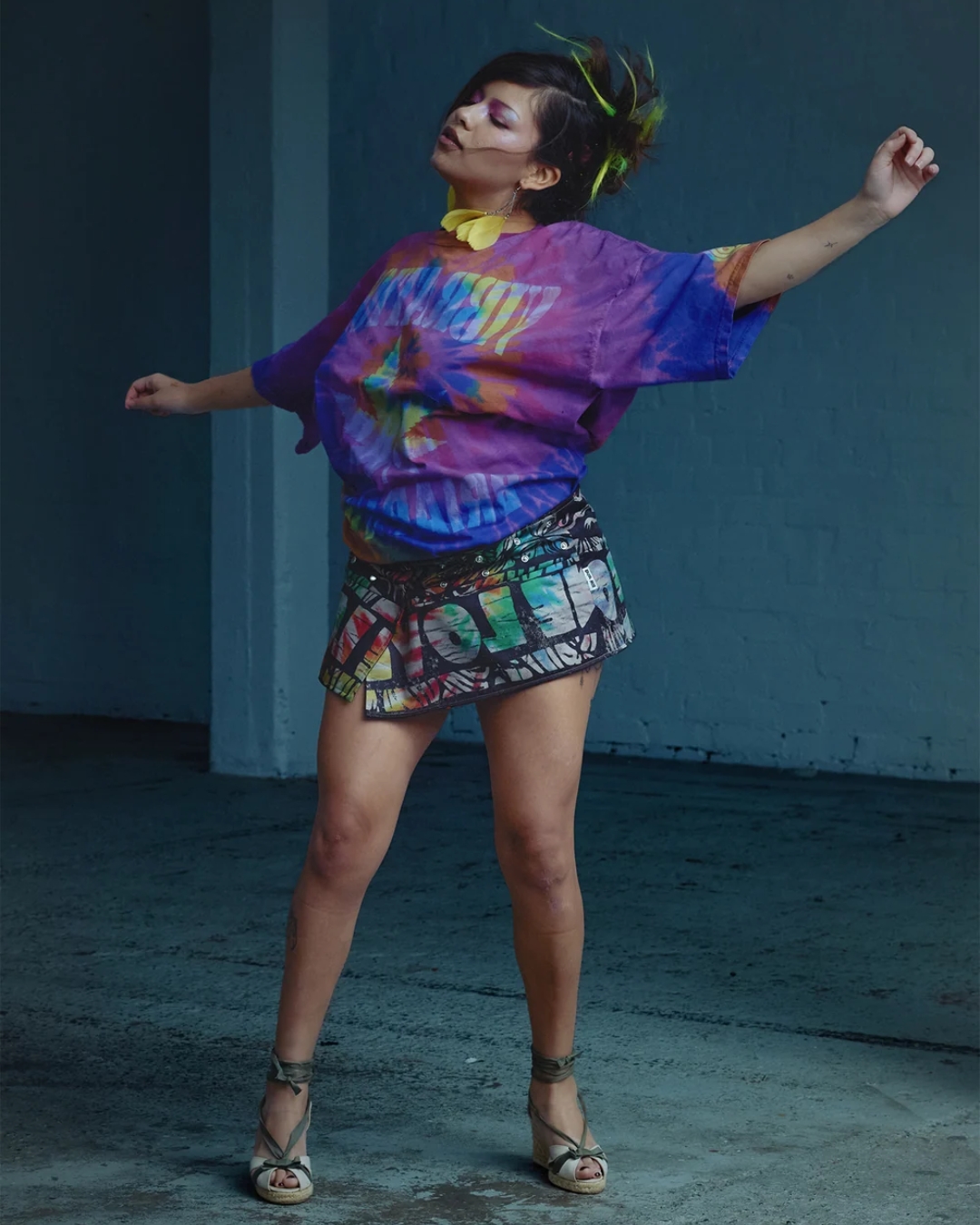
At first glance, its clothes can read like maximalist streetwear:
clashing graphics, fluorescent colour, layered textures and prints piled over prints.
Then you realise some of those “textures” aren't actually there.
That's the trick.
Briar Will begins with secondhand garments sourced from op shops, online marketplaces and wardrobes.
Those garments are scanned in sections, digitally reconstructed and rearranged onto new garment patterns before being sublimation printed onto new fabric and constructed again.
A pair of jeans might become the image of jeans on something that behaves more like sportswear.
Your eye says one thing. The garment says another.
Sexy little identity crisis.
The Codes:
Trickery. Digitisation. Texture. Reconstruction. Upcycling. Illusion.
And from a brand-building perspective, this is where Briar Will becomes particularly clever.
Plenty of fashion labels talk about sustainability.
Briar Will makes the methodology visible.
The sourcing, scanning, distortion and reconstruction aren't hidden somewhere on an “Our Responsibility” page.
They're right there on the body.
The process has become the aesthetic.
Individual product descriptions spell it out too: secondhand T-shirts are digitally recontextualised and printed onto new fabrics; shorts are sourced, belted, scanned and rebuilt; some garments use recycled or remnant textiles and are constructed locally in Naarm/Melbourne.
That distinction matters.
Because contemporary consumers have heard every variation of “consciously made” imaginable.
Eventually the phrase starts to blur.
But showing us what your process looks like?
Much harder to forget.
There's also something beautifully internet-brained about Briar Will. Physical clothing gets turned into digital information, manipulated and then spat back into the physical world as another piece of clothing.
Old becomes new. Real becomes fake. Fake becomes real again.
Very 2026. Very good.
The code: process becomes the identity.
You aren't just looking at Briar Will's clothes. You're looking at evidence of how they came into existence.

VAN BRUSSEL: Restraint Becomes Recognition
And then VAN BRUSSEL walks in and lowers the volume.
No bunny ears required.
Where Niamh Galea trades in personality and Briar Will in illusion, VAN BRUSSEL's strength comes from control.
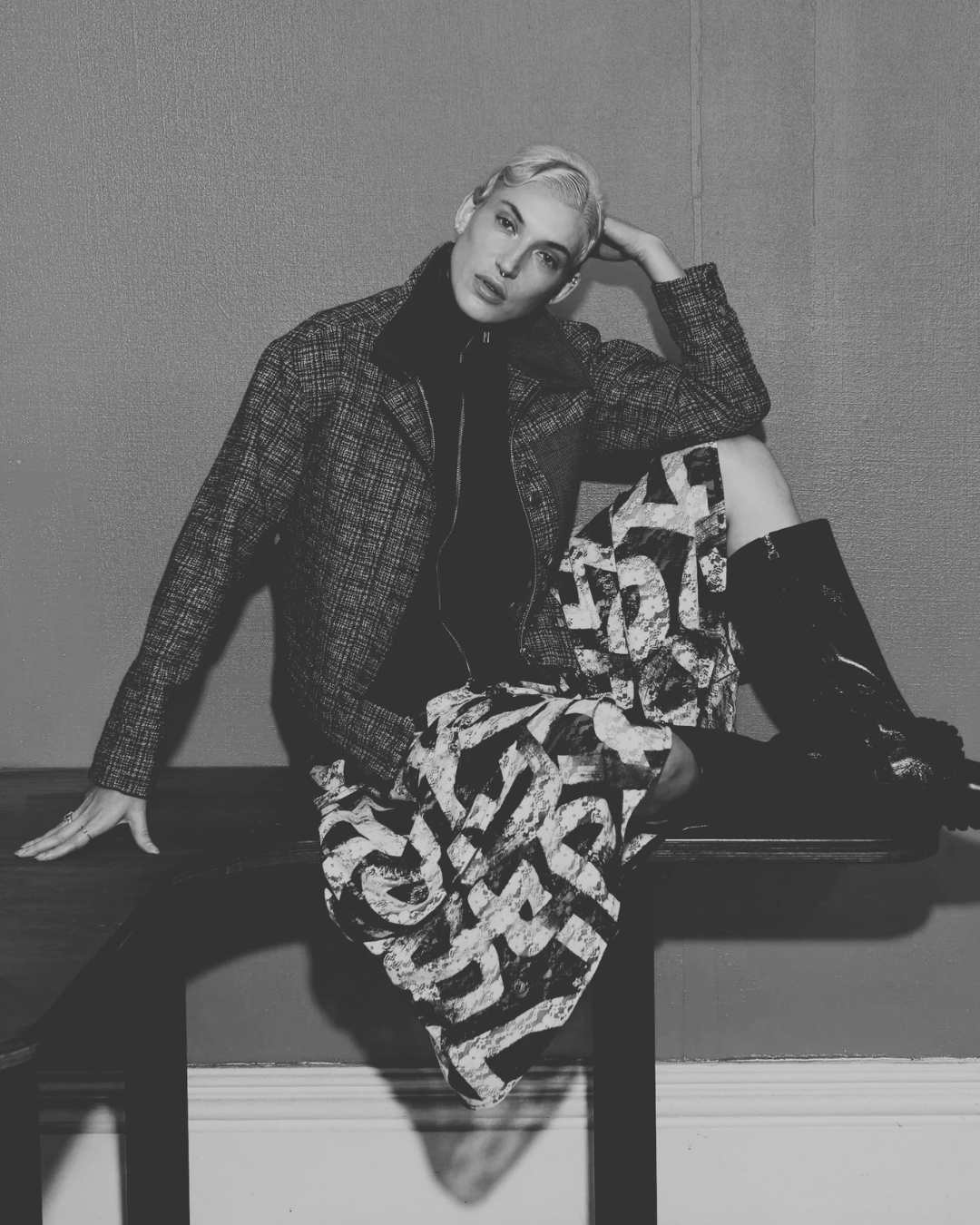
Tailoring. Utility. Structure. Strong hardware. Architectural silhouettes.
Clothes that look like somebody actually considered where every seam should sit before touching the fabric.
Radical, apparently.

The Codes:
Utility. Tailoring. Architecture. Structure. Restraint. Longevity.
The label is among the Australian Fashion Week 2026 designers joining the Hong Kong delegation, alongside Gary Bigeni and Buluuy Mirrii.
But what makes VAN BRUSSEL interesting for Brand Codes isn't simply that the clothes are well made.
It's the consistency.
A zip isn't just closure hardware. It becomes graphic.
A jacket isn't merely tailored. Its shoulders, panels and proportions create architecture around the body.
Denim isn't automatically treated as casual.
Everything feels considered without becoming sterile.
That's an increasingly difficult balance.
Because minimalism can very quickly become anonymous.
Strip away enough decoration and suddenly every brand is selling the same expensive grey coat underneath a concrete staircase.
VAN BRUSSEL avoids that by giving restraint a point of view.
The silhouettes carry the branding.
And there's a useful lesson in there for any brand currently trying to scream its identity
through bigger logos, stranger collaborations and an endless churn of “moments”.
Recognition doesn't always need more.
Sometimes it needs repetition.
Repeat the cut. Repeat the proportion.
Repeat the attitude until people begin to associate that visual vocabulary with you.
Then stop touching it.
The Code: restraint becomes recognition.
The flex is in the cut.

Three brands, no shared uniform
Put Niamh Galea, Briar Will and VAN BRUSSEL beside one another and there isn't an obvious Australian “look”.
Good.
There shouldn't be.
Australian fashion becomes far more interesting internationally
when we stop trying to package it into one neat aesthetic of beaches, linen and tasteful neutrality.
These labels present something much more useful.
Niamh Galea builds a personality.
Briar Will builds a process.
Van Brussel builds a design language.
And although their wardrobes would probably have very little to say to each other at a dinner party,
the branding principle underneath them is exactly the same:
Be identifiable before somebody reads the label.
That's the bit worth watching as the AFC brings Australian designers into Hong Kong. CENTRESTAGE isn't simply an opportunity to put clothes on another international rack. The Global Gateways program is explicitly designed around access to buyers, media and new Asian markets, following a 2025 pilot that generated more than 115 buyer contacts.
Which means these brands aren't only introducing collections.
They're introducing themselves.
And in a room full of labels asking to be remembered,
having a clear identity might be the hottest accessory you can bring.
Hong Kong, meet the Aussies.
We have a feeling you'll remember these three.
.svg)